
What Should You Know Before Treating a Lipoma?
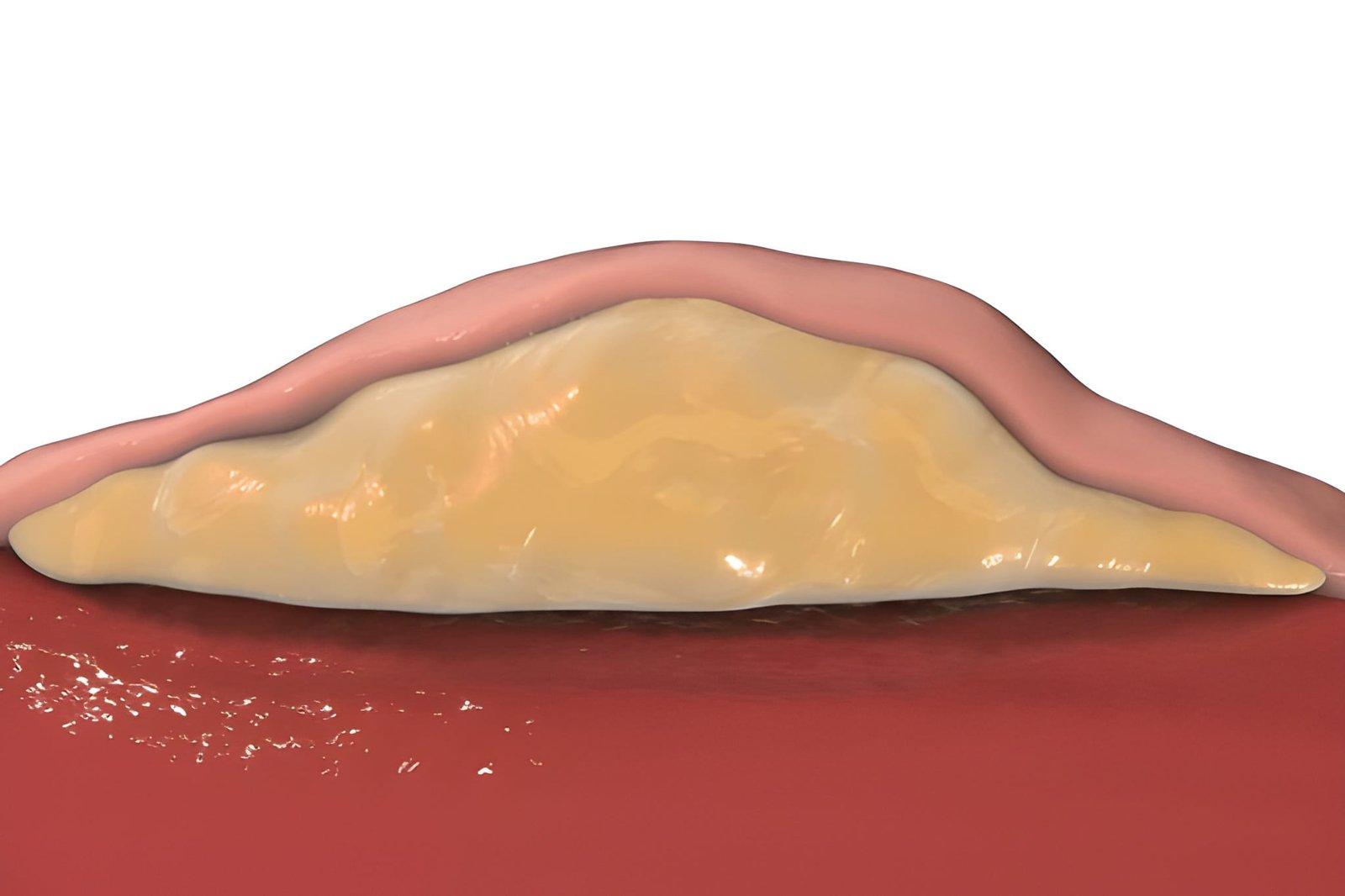
A small, soft lump under the skin can feel easy to ignore at first. Many people discover a lipoma by chance while getting dressed or touching an area that feels slightly different. Because it’s usually painless, it often doesn’t seem urgent.
Over time, however, that small lump may grow or become more noticeable. It might start to feel uncomfortable when sitting, sleeping, or carrying everyday items. What once felt insignificant can slowly become something you think about more often.
Understanding what a lipoma is and what to expect before treating it can help you make confident and informed decisions about your health.
Understanding a Lipoma
A lipoma is a benign (non-cancerous) fatty lump that develops just beneath the skin.
- Soft texture: It usually feels smooth and slightly rubbery
- Movable: It can shift slightly when you press it
- Slow growth: Most lipomas grow gradually over time
- Common areas: Neck, shoulders, back, arms, and thighs
- Painless in most cases: Though larger ones may cause discomfort
While lipomas are generally harmless, their size, location, and growth pattern can influence whether treatment is needed.
Do All Lipomas Need Treatment?
Not every lipoma requires removal. In many cases, they can simply be monitored.
- No symptoms: If it’s small and not causing discomfort
- Stable size: No noticeable growth over time
- No functional impact: Doesn’t affect movement or daily life
However, treatment may be considered if the lipoma grows, becomes uncomfortable, or causes concern. A proper evaluation is always the best first step.
Why a Professional Assessment Matters
Seeking expert advice helps ensure that the lump is correctly diagnosed and safely managed.
At a Harley Street dermatology clinic in London, specialists carefully examine the lump before recommending any treatment. This ensures that what appears to be a lipoma is not another condition requiring a different approach.
- Accurate diagnosis: Confirms the nature of the lump
- Growth evaluation: Tracks any changes over time
- Personalized advice: Treatment is based on your specific case
- Peace of mind: Removes uncertainty and worry
Professional guidance helps you avoid unnecessary risks and choose the right path forward.
Things to Consider Before Treatment
Before deciding on removal, it’s important to think about a few key factors:
- Size of the lipoma: Larger lipomas may be more noticeable or uncomfortable
- Location: Areas near joints or pressure points may need attention sooner
- Symptoms: Pain, pressure, or irritation can influence the decision
- Cosmetic concerns: Visibility may affect confidence
- Growth rate: Faster-growing lumps should be assessed promptly
These considerations help determine whether treatment is necessary and when it should be done.
Available Treatment Options
If removal is recommended, modern techniques make the process straightforward and effective.
- Surgical excision: Completely removes the lipoma
- Minimal incision methods: Designed to reduce scarring
- Liposuction technique: Suitable for certain soft lipomas
- Local anaesthesia: Keeps the procedure comfortable
- Outpatient care: Usually completed in a single visit
Patients considering lipoma removal treatment in London often benefit from these safe and controlled procedures, especially when performed by experienced specialists.
What to Expect During Recovery
Recovery is typically simple, especially for smaller lipomas.
- Mild discomfort: Usually manageable with basic care
- Quick healing: Most people return to normal activities soon
- Minimal scarring: Advanced techniques help improve cosmetic results
- Follow-up care: Ensures proper healing and outcomes
Taking proper aftercare steps supports a smooth recovery process.
Why Timing Can Make a Difference
Treating a lipoma early can make the experience easier overall.
- Smaller procedures: Easier removal when the lipoma is small
- Less discomfort: Prevents pressure or irritation from developing
- Faster recovery: Healing tends to be quicker
- Reduced stress: Addressing it early avoids ongoing worry
Early action often leads to simpler and more comfortable outcomes.
FAQs
Can a lipoma go away on its own?
No, lipomas usually do not disappear without treatment.
Is lipoma removal painful?
The procedure is typically done under local anaesthesia, so discomfort is minimal.
How do I know if my lipoma is growing?
Regularly observing its size and shape can help, but a doctor can assess it more accurately.
Are lipomas dangerous?
Most are harmless, but a proper diagnosis is important to rule out other conditions.
Is removal necessary for small lipomas?
Not always. If it’s not causing issues, monitoring may be enough.
Final Thoughts
A lipoma may seem like a minor concern at first, but understanding your options before treatment can make a significant difference. Knowing when to monitor and when to act helps you stay in control of your health.
Professional evaluation ensures that the condition is properly diagnosed and managed safely. Whether you choose observation or removal, making an informed decision leads to better outcomes and greater peace of mind.

 English
 French
 Spanish
 Portuguese
 Deutsch
 Turkish
 Dutch
Dutch
 Italiano
 Russian
 Romaian
 Portuguese (Brazil)
 Greek
Greek