
How to Choose the Right Powder Filling Machine for Your Production Line
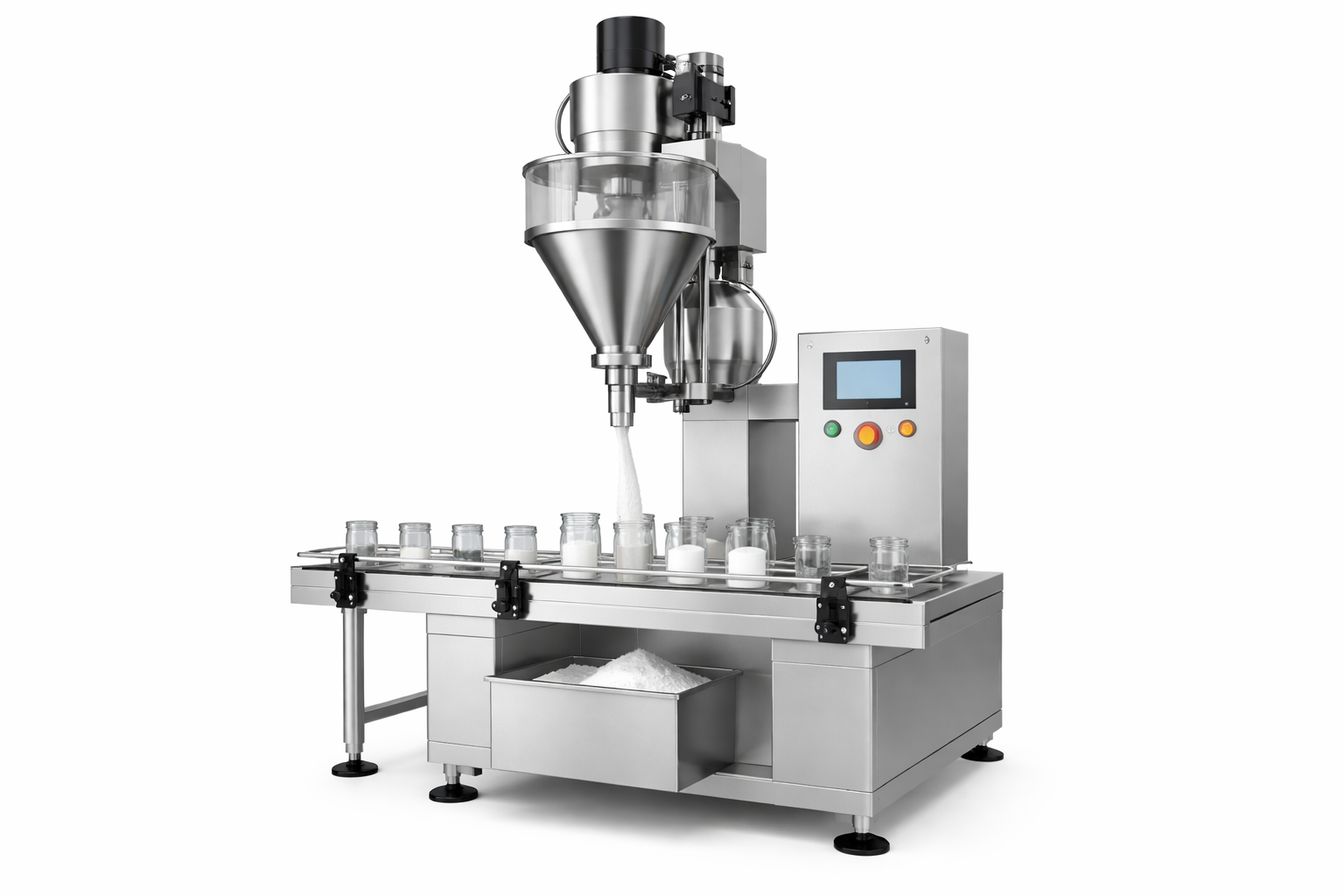
Selecting the correct powder filling machine is one of the most critical decisions for any manufacturing facility looking to scale its operations. Whether you are packaging fine spices, pharmaceutical Grade powders, or industrial chemicals, the efficiency of your production line depends on the precision and speed of your filling equipment. A mismatch between your product and your machine can lead to wasted materials, inconsistent fill weights, and frequent downtime.
In this comprehensive guide, we will explore the essential factors you must consider to ensure you invest in a machine that meets your current needs while allowing for future growth.
Understand Your Powder Characteristics
Before looking at machine specifications, you must analyze the physical properties of the powder you are handling. Not all powders behave the same way under pressure or when moving through a hopper.
Free-Flowing vs. Non-Free-Flowing
Free-flowing powders, such as granulated sugar or table salt, move easily because the particles do not stick together. These typically require a volumetric or vibratory filler. On the other hand, non-free-flowing powders like flour, milk powder, or ground coffee are cohesive. They tend to clump and require an auger filler to "push" the product through the funnel accurately.
Dust Levels and Particle Size
Fine powders create significant dust, which can contaminate the workspace or interfere with seal integrity. If your product is particularly dusty, you will need a machine with a specialized dust extraction system or a closed-loop filling process. Additionally, consider if your powder is abrasive, as this might require reinforced stainless steel components to prevent premature wear.
Determine Your Required Production Speed
The volume of product you need to move daily will dictate whether you should look at manual, semi-automatic, or fully automatic systems.
-
Semi-Automatic Machines: These are ideal for small to medium businesses. They require an operator to place the container under the nozzle. While they are more affordable, the speed is limited by human intervention.
-
Fully Automatic Machines: These are integrated into a continuous conveyor system. They can fill hundreds of containers per minute and are essential for large scale industrial operations.
When calculating speed, do not just look at the maximum cycles per minute. Factor in the time needed for changeovers between different products and the time required for cleaning.
Accuracy and Precision Requirements
In industries like pharmaceuticals or high end cosmetics, even a one gram deviation can be costly or dangerous. You need to decide between two primary filling methods:
Fill by Volume
Volumetric filling is fast and works well for products with a consistent density. Auger fillers are the gold standard here, using a rotating screw to dispense a specific volume of powder.
Fill by Weight (Net Weighing)
If your powder density fluctuates due to humidity or batch variations, filling by weight is the safer choice. These machines use high precision load cells to weigh the product before or during the filling process. This ensures that every container has the exact mass promised on the label, reducing "product giveaway."
Container Types and Compatibility
The machine you choose must be compatible with your specific packaging. Are you filling rigid bottles, glass jars, metal tins, or flexible pouches?
The neck diameter of your bottles must align with the filling nozzle to prevent spillage. If you use a variety of container sizes, look for a machine with adjustable heights and tool-less changeover features. This flexibility allows your team to switch from a small spice jar to a large bulk container in minutes rather than hours.
Integration with Flexible Packaging Machines
As modern packaging trends shift toward sustainability and convenience, many manufacturers are moving away from rigid plastic and toward pouches and sachets. If your production line utilizes these formats, you must ensure your filling unit is compatible with flexible packaging machines.
Integrating a powder filler with high speed flexible packaging machines allows for a seamless "form-fill-seal" process. In this setup, the machine forms a pouch from a roll of film, the powder filler drops the precise dose, and the machine seals it instantly. This integration reduces the footprint of your production line and significantly lowers the cost of transport and storage compared to rigid containers. When choosing your equipment, verify that the communication protocols between the filler and the packaging unit are synchronized to avoid timing errors.
Hygiene, Cleaning, and Compliance
In the food and pharmaceutical sectors, hygiene is non-negotiable. Look for machines that meet GMP (Good Manufacturing Practice) standards.
Key features to look for include:
-
Stainless Steel Construction: Usually Grade 304 or 316L for maximum corrosion resistance.
-
Easy Teardown: Can the hopper and auger be removed without specialized tools? Quick-release clamps are a major advantage for deep cleaning.
-
IP Ratings: If your facility requires washdown procedures, ensure the electronic components are properly sealed against water ingress.
Ease of Use and Technical Support
A machine is only as good as the person operating it. Modern machines should feature a user-friendly Human Machine Interface (HMI) with a touch screen. This allows operators to save "recipes" for different products, making it easy to recall settings for speed and fill weight with the press of a button.
Finally, consider the manufacturer’s reputation for after-sales support. Do they offer remote troubleshooting? Are spare parts kept in stock? A lower upfront price might seem attractive, but it can become a burden if the machine sits idle for weeks while waiting for a custom part from overseas.
Conclusion
Choosing the right equipment requires a balance between technical specifications and operational reality. By understanding your powder’s behavior, your required output, and how the system will integrate with other units like flexible packaging machines, you can make a choice that boosts your bottom line. Always request a product test from the manufacturer to see how your specific powder performs in the machine before making the final purchase.
Frequently Asked Questions
What is the difference between an auger filler and a vibratory filler?
An auger filler uses a rotating screw to move cohesive or non-free-flowing powders through a funnel. A vibratory filler uses vibration to move free-flowing granules into a weigh hopper before dispensing them into the container.
Can one powder filling machine handle different types of powders?
Yes, many machines are versatile. However, you may need to change the "tooling" (such as the auger screw size or the funnel) to accommodate different densities or flow characteristics.
How do I minimize dust during the filling process?
To reduce dust, you can use "bottom-up filling," where the nozzle lowers to the bottom of the container and rises as it fills. You can also install dust transition sleeves and vacuum extraction ports at the point of fill.
Is a fully automatic machine always better than a semi-automatic one?
Not necessarily. If you have a high variety of products with small batch sizes, a semi-automatic machine offers more flexibility and easier cleaning. Fully automatic machines are best for high volume, single-product runs.
How often should I calibrate my powder filler?
Calibration should be performed at the start of every shift or whenever you change batches. Regular calibration ensures that the load cells or volumetric timers are maintaining the accuracy required for your quality control standards.

 English
 Arabic
 French
 Spanish
 Portuguese
 Turkish
 Dutch
Dutch
 Italiano
 Russian
 Romaian
 Portuguese (Brazil)
 Greek
Greek