
Custom Cosmetic Boxes for Luxury Beauty Products
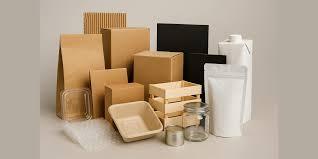
Packaging tells a story before the consumer reads a label. Luxury beauty brands use boxes to signal quality, care, and detail.
Good packaging protects formulas and raises perceived value. It also supports retail presence and memorable unboxing moments.
Topic overview
Custom cosmetic boxes serve many purposes for luxury brands. They protect fragile items and create a premium first impression. You can explore options at luxury cosmetic packaging when planning a new line.
Purpose and scope of custom cosmetic boxes for luxury beauty brands
Boxes must reflect the brand voice and product promise. They should fit product forms and protect ingredients. Design choices affect perception and resale value.
Target audience and market positioning
Luxury buyers expect tactile refinement and consistent branding. Packaging choices should match target demographics and price points. Collections for high-end retailers require stronger finishing and tighter tolerances.
Brand storytelling through packaging
Textures, colors, and type convey brand history or modernity. A small printed note or embossed logo can add personality. Thoughtful inserts tell stories about sourcing and craftsmanship.
Why luxury cosmetic boxes matter
First impressions and perceived value
Consumers judge quality quickly. A thick, well-finished box signals premium content. Visual cues often translate into higher willingness to pay.
Protection, preservation, and product integrity
Many cosmetics are fragile or temperature sensitive. Rigid boxes and proper inserts prevent leaks and breakage. That reduces returns and preserves the product experience.
Retail display, shelf impact, and unboxing experience
On-shelf presence affects discovery and sales. Good contrast and neat typography help visibility. Unboxing moments create shareable experiences for customers.
Key design elements for luxury cosmetics
Box type options: rigid set-up boxes, reverse tuck, straight tuck, and telescope
Rigid set-up boxes feel substantial and accept heavy finishing. Reverse tuck boxes are cost-efficient and tidy. Telescope boxes offer layered reveals for multi-piece sets.
Structure and insert engineering: partitions, cushions, support structures
Custom inserts hold items in place during transit. Foam, paperboard, and molded pulp work well. Precision fit prevents shifting and surface damage.
Window and view-through elements: clear panels, dry-erase fronts (where applicable)
Clear windows show product color and texture. Acrylic or PET windows must meet cosmetic safety rules. Consider detachable sleeves for better retail hygiene.
Closure mechanisms: magnetic boxes, ribbon-tinish closures, tuck-in lids
Magnetic closures add a premium snap. Ribbons offer a handcrafted touch. Tuck-in lids can be reinforced for repeat opening cycles.
Typography and brand narrative on packaging
Typeface choice influences perceived heritage and modernity. Simple, legible type helps reading at a glance. Short copy about sourcing builds trust.
Finishing touches: embossing, debossing, deboss with foil, spot UV
Raised or recessed logos create tactile contrast. Foil adds shine and luxury cues. Spot UV highlights details without overwhelming the design.
Materials and finishes
Paperboard selections: premium thicknesses, white vs. textured stock
Higher GSM boards feel more premium. Textured stocks offer a handcrafted feeling. White boards print color more accurately for brand tones.
Inner liners and inserts: suede, velvet, suede-like textures
Soft liners cradle products and reduce shifting. Velvet or suede-like liners elevate touch. They also help reduce visible scratches on metals and glass.
Surface finishes: matte, soft-touch, gloss, satin
Matte and soft-touch finishes feel luxe and muted. Gloss adds depth to colors and foils. A mix can create contrast on the same box.
Foiling and metallization: hot foil, cold foil, rose gold, silver tones
Hot foil offers crisp edges and a tactile ridge. Cold foil suits complex graphics on shorter runs. Rose gold remains popular with warm-toned palettes.
Decorative techniques: blind emboss, deboss, ink overprint, UV coating
Blind emboss adds subtle depth without extra color. Ink overprints allow layered color effects. UV coatings can protect prints and add shine.
Color management: Pantone matching, brand color consistency
Pantone matching keeps color consistent across batches. Ask suppliers for swatches before full runs. Light conditions can shift perceived tone.
Sustainability-aligned materials: recycled content, FSC certification, refillable options
Recycled boards lower environmental footprint. FSC certification documents responsible sourcing. Refillable systems reduce long-term waste.
Sustainability and ethics
Recyclability and end-of-life disposal
Design boxes that are easy to disassemble for recycling. Avoid mixed materials where possible. Clear disposal instructions help consumers recycle correctly.
Post-consumer recycled (PCR) content
PCR board reduces virgin fiber use. It may show slight color variation. Test prints to confirm the final look.
Responsible sourcing and supplier certifications
Request documentation for mills and converters. Certifications like FSC build credibility. Traceability helps answer consumer questions quickly.
Reusable and refillable packaging concepts
Refillable kits reduce waste and increase lifetime value. Magnetic trays and cartridges make refilling simple. Refill programs can strengthen loyalty.
Minimalist design to reduce material usage
Remove excess inserts or outer sleeves when possible. Smart structural engineering maintains protection with less material. Minimalism can still feel premium.
Customization options
Brand alignment: color, typography, logo treatment
Match type and color to brand guidelines. Tailor logo placement to the box shape. Small adjustments can maintain recognition across formats.
Box sizes and configurations tailored to product line
Design for the product, not the product for the box. Standardize some sizes to lower tooling costs. Custom sizes reduce wasted interior space.
Printing techniques: digital vs. litho vs. gravure, multi-pass processes
Digital suits short runs and variable data. Litho gives consistent color at medium runs. Gravure excels for very long runs and continuous patterns.
Finishes: foil, spot color, gloss/matte combinations
Combine finishes for contrast and focus. Use spot treatments to highlight logos or claims. Balance finish cost with visual return.
Inserts and components: cushions, trays, compartments, magnetic closures
Design inserts for each SKU. Consider modular trays for multi-size lines. Magnetic closures require precise tolerances.
Add-ons: ribbons, magnets, ribbons, dust bags, outer sleeves
Add-ons can increase perceived value. Dust bags protect soft goods and handbag items. Outer sleeves create layered reveals.
Limited editions and seasonal packaging strategies
Limited runs justify premium finishes and special inks. Seasonal packaging can reuse core box structures. Limited editions build collectibility.
Structural engineering and durability
Load-bearing requirements and drop/test considerations
Test boxes for typical shipping drops. Heavy glass and metal need stronger supports. Use lab testing to set design thresholds.
Impact resistance for luxury items during shipping
Absorbing inserts protect against shocks. Cushioning density affects performance. Balance weight with protection needs.
Sizing accuracy and tolerance management
Tight tolerances keep inserts aligned and closures smooth. Allow small allowances for coating and foil. Document die-lines clearly.
Thin-wall optimization without sacrificing rigidity
Structural creases and ribs add stiffness. Use heavier board in critical areas. A good die-line preserves material while maintaining strength.
Die-line creation and repair workflow
Keep an editable die-line library for each SKU. Record iterations and test outcomes. Quick repairs shorten production delays.
Prototyping and testing
Rapid prototyping methods: digital proofs, quick physical prototypes
Digital proofs show layout and color roughly. Quick physical prototypes check fit and opening feel. Both reduce surprises later.
Fit and function testing: product fit, closure reliability, opening action
Test with actual products and fillers. Cycle open-close actions to check wear. Verify insert alignment under stress.
Color and finish verification under lighting conditions
View samples under retail and natural light. Foils and metallics change color with light angle. Use consistent lighting for approvals.
Regulatory and labeling checks (ingredient lists, warnings)
Confirm label placement and font legibility. Include required ingredient and safety information. Keep records for compliance audits.
Manufacturing processes
Material conversion steps: scoring, creasing, cutting, lamination
Scoring and creasing prevent cracking on folds. Lamination adds protection and finish. Cutting must align with die-lines precisely.
Printing workflow: color calibration, ink curing, lamination sequence
Color calibration keeps prints consistent. Ink curing method depends on ink type. Sequence finishing so coatings do not smear.
Post-press finishing: foil stamping, embossing/debossing, coatings
Post-press steps require careful registration. Foil dies need precise alignment. Plan for extra time in the schedule.
Assembly and packaging line considerations
Design for fast and reliable assembly. Outsourcing assembly can reduce overhead. Track defect rates on the line and act quickly.
Quality assurance steps and batch traceability
Record batch numbers and material lots. Run sample checks on each batch. Keep photos and notes for any deviations.
Quality control and compliance
Dimensional tolerances and conformity checks
Measure critical dimensions across samples. Set acceptance limits before production. Reject parts outside tolerance immediately.
Visual quality standards for surface defects
Inspect for scratches, misprints, and foil lift. Small defects can harm perceived value. Document acceptable defect levels.
Print consistency across batches
Control ink density and press settings. Use color bars for continuous monitoring. Recalibrate when color drifts appear.
Regulatory labeling requirements for cosmetic packaging
Local regulations dictate ingredient font size and language. Verify labeling for each market. Keep regulatory updates on file.
Sustainability certifications and documentation
Gather certificates for recycled content and responsible sourcing. Provide them to retailers on request. Certifications aid buyers' decisions.
Case studies and examples
Luxury brand packaging case snippets (design goals, materials, finishes, outcomes)
A skincare line asked for tactile minimalism. The team used soft-touch board and blind emboss. Sales uplifted after shelf refresh.
A fragrance launch used a telescope box with velvet insert. The unboxing received positive social shares. Damage rates dropped in transit.
Before-and-after comparisons: cost, shelf impact, consumer feedback
A brand swapped thin stock for rigid set-up boxes. Cost rose, but perceived value and repeat purchase increased. Retailers reported better shelf presence.
Cost considerations and ROI
Key cost drivers: material, finish, tooling, printing, inserts
Materials and finishes drive the largest costs. Tooling is a one-time expense for new dies. Inserts add recurring cost per unit.
Trade-offs between luxury aesthetics and cost efficiency
Choose which finishes matter most to the customer. Mix premium treatments with simpler areas for savings. Test premium versions on limited runs first.
Long-term savings from durability and reduced damage
Durable packaging lowers replacement and return costs. Strong boxes reduce lost product value. Track damage metrics to measure savings.
Packaging as a marketing investment and brand equity
Packaging can drive brand recognition and loyalty. Premium boxes support higher price points. View packaging as part of product strategy.
Supplier selection and collaboration
Criteria for selecting a custom packaging partner
Look for experience with luxury finishes. Ask for sample libraries and case studies. Check capacity and lead times.
Collaboration workflow: timelines, approvals, and revisions
Set clear milestones for proofs and samples. Build time for multiple rounds of review. Sign off on color and structural samples before full runs.
Sampling, proofing, and production ramp-up
Start with small pilot runs to catch issues. Confirm assembly times and packaging speeds. Increase volumes after quality checks pass.
Intellectual property and confidentiality
Use NDAs for sensitive designs and formulas. Protect die-lines and artwork files. Store IP documents with restricted access.
Packaging trends in luxury beauty
Sustainable luxurious materials and refillable systems
Brands pair recycled stocks with high-end finishes. Refillable systems remain popular with premium buyers. Consider ease of refill in the design.
Minimalism with maximal tactile experiences
Fewer graphics, stronger textures. Small details like weighted lids matter. Tactile contrast creates premium signals without clutter.
Customization at scale for premium lines
Variable data printing allows personalization on mid runs. Limited personalization can strengthen customer connection. Keep production logistics in mind.
Interactive and immersive unboxing experiences
Layered reveals and scent strips make unboxing memorable. Small booklets or message cards extend the ritual. These elements often go viral.
Compliance with evolving plastic reduction guidelines
Brands phase out unnecessary plastic windows and fillers. Compostable or recyclable alternatives replace single-use plastics. Track regulations per market.
FAQs
What box type is best for a fragile glass serum?
Rigid set-up boxes with molded inserts work best. They prevent movement and cushion the bottle during shipping.
How can I make packaging feel luxurious on a mid-range budget?
Use one high-impact finish like foil or soft-touch. Keep other areas simple to control cost. Strategic placement stretches the budget.
Are velvet and suede liners recyclable?
Many liners are synthetic and not recyclable in standard streams. Choose natural fiber liners or recyclable alternatives when possible.
How do I test packaging for shipping damage?
Perform drop and vibration tests that simulate transit. Use real product samples in tests. Record results and adjust padding as needed.
Can sustainable materials match the look of premium stocks?
Yes, many recycled and FSC boards now mimic luxury textures. Test prototypes to confirm color and finish fidelity before production.
What should I ask a supplier about tooling costs?
Ask for die cost breakdown and options for shared or repeat tooling. Clarify ownership of dies and costs for future revisions.
How long does prototyping usually take?
Digital proofs can be ready in days. Physical prototypes typically take one to three weeks. Complex finishes may add time.

 English
 Arabic
 French
 Spanish
 Portuguese
 Deutsch
 Turkish
 Italiano
 Russian
 Romaian
 Portuguese (Brazil)
 Greek
Greek