
Custom Sleeve Boxes: Selecting The Right Materials
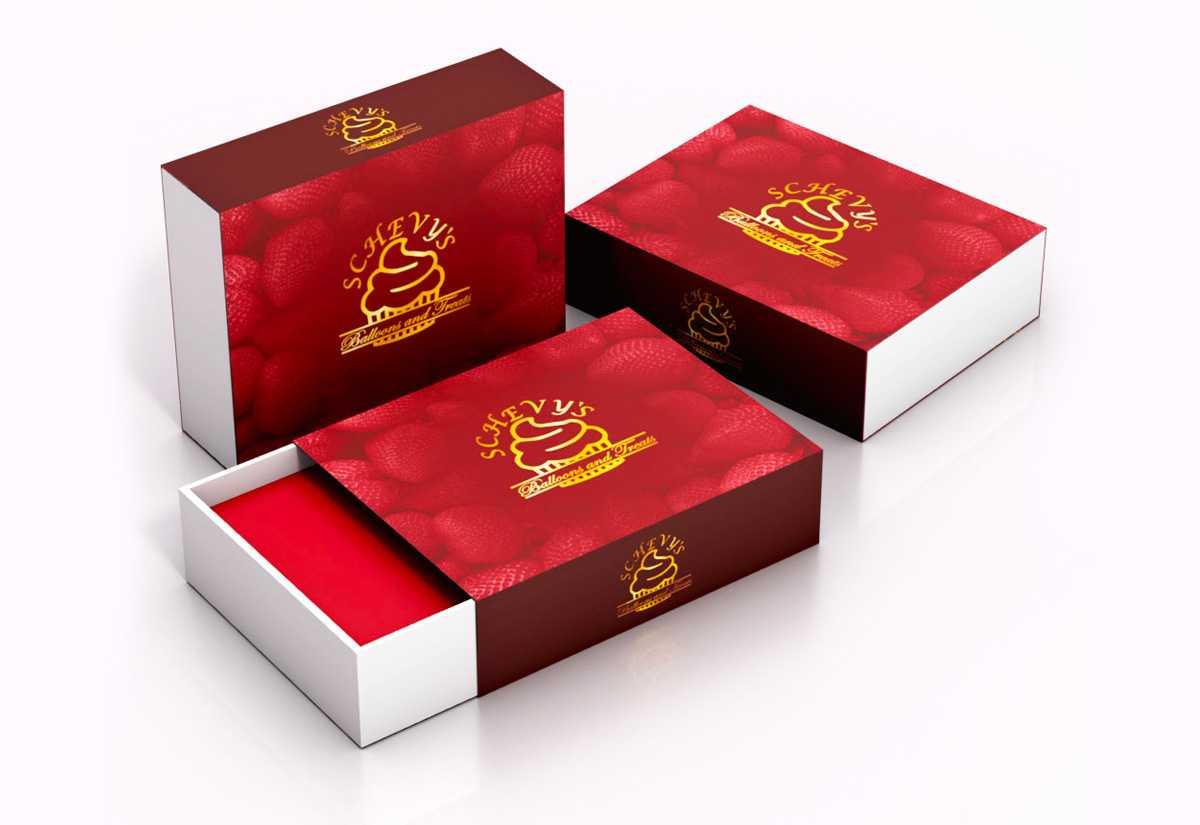
Custom Sleeve boxes are popular due to the smooth design, flexibility, and branding opportunities, yet their operation requires a great deal of compatibility with materials. Using the appropriate material makes sure that it fits, is durable and looks good besides covering the product stored in it. Sleeve packaging should not only fit both functional and aesthetic needs but also start with lightweight retail goods and go to high-end goods.
Knowledge of the interaction of various materials with the printer, cutting and finishing process assists brands in avoiding expensive errors. With a carefully chosen material, sleeve boxes provide uniformity, security, and a well-designed unboxing experience that encourages the growth of the brand in the long run and consumer satisfaction.
Material Selection Basics
The first step to material compatibility is to be familiar with the weight of the products, the condition of use and the display requirements. Sleeve packaging depends on an accurate dimension; therefore, the thickness of the material is very crucial in the creation of a secure fit. custom Sleeve boxes are to be made of materials that slide easily without being warped or torn. The material used is compatible so that the structure is in balance, and the assembly and removal can be easily achieved. The bad selection of the materials may lead to loose sleeves or surface damage. Brands match the material strength and design intent to design packaging that works effectively during storage, shipping, and presentation in the retail environment.
Structural Strength Factors
Sleeve boxes require strength since the outer sleeve can be used to grant visual identity and protection. The Cardboard Sleeve boxes are reliable in terms of rigidity, supporting lightweight and moderately heavy products. The density of materials influences resistance to bending and damage to corners during handling. The sleeve will be in a compatible structure so that it will retain its shape. Strength selection is also good to enhance stacking and shelf stability. Sleeve boxes are not spoiled when the structural integrity is aligned to the product needs, and they will be appealing to the eye and functional to the end consumer.
Printing Surface Performance
The choice of material has a direct influence on the quality of the print and the quality of the finishing. Sleeve boxes that are custom printed demand surfaces that take in the ink without bleeding or drying out. Well-coated smooth materials also contribute to the sharpness of colours and the clarity of graphics. Materials that are not compatible will not take up the ink evenly, and this will minimize the effect of the design. The right surface makes sure that elements of branding are sharp and professional. Good print performance enhances shelf life and brand loyalty. When choosing materials to be used in premium printing, sleeve packaging is used to send a message of value and quality immediately.
Customization Adaptability
Customization requires materials which allow it to be flexible without losing strength. Variable text, graphics or limited edition items are often found in personalized Sleeve boxes and need to be taken care of. Fine details are properly held by compatible materials as they are printed and cut. They can also be finished in other ways without cracking and distorting the surface. Customization, which is in line with the capability of the material, means that packaging is the same for all production runs. The flexibility lets the brands make unique designs, but with the same quality and presentation that the customers desire.
Window Integration Support
It is necessary to add functional features with the help of special attention to the choice of materials. Sleeve boxes with a window are based on materials that are strong in the vicinity of cut out. A compatible material allows the die-cutting without tearing or leaving any dirty edges. The placement of windows should not be deformed, as they can easily be handled. The correct material support is required to avoid making the sleeve structure weak. Brands can become practical and long-lasting without losing aesthetic value when a combination of window integration is combined with the right material.
Branding Uniformity Control
The elements of branding are based on materials that ensure the visual consistency between batches of production. Sleeve boxes that are printed with a logo need surfaces that are free from fading, smudging, and distorting over time. Logos are in the middle, clean, and on point; this is made possible through compatible materials. This reliability breeds confidence and loyalty in competitive markets. Packaging is a good brand ambassador when the material conveys branding accuracy. Good compatibility of materials will ensure that each sleeve box portrays the same standards of professionalism and quality.
Natural Texture Balance
There are those brands that tend to use a material that is not very texture-based but has a performance status. Kraft Sleeve boxes need to be compatible in such a way that their natural appearance is not compromised, and still be durable. Roughness of the surface is inhibited by the right material thickness so that it does not interfere with either printing or finishing. A medium fit material enables the sleeve to glide and, at the same time, preserve its aesthetic nature. This equilibrium makes the packaging look real but classy. Usability can be maximized without compromising the target aesthetic identity through the selection of compatible kraft materials.
Large-Scale Production
In bulk manufacturing, material compatibility is even worse. Custom boxes design would require materials that are maintained at high quality through high volumes. The consistency of thickness, dependable strength and a consistent print behaviour minimizes errors in production. The compatible materials also allow efficient cutting, folding, and assembling. In the case of brands investing in custom Sleeve packaging, the use of the appropriate material ensures the reduction of waste and the preservation of the standards of presentation. Material compatibility is scalable so that packaging is cost-effective and has a consistent appearance in all its channels of distribution.
Conclusion
Custom sleeve boxes work best when the compatibility of materials is well thought out and implemented. Strong print quality, customization or large-scale production, the appropriate material will make sure that packaging performs its role and also provides the visual answer. Compatible materials safeguard the products, improve branding and consistency of the packaging lifecycle.
Companies that place importance on material compatibility receive packaging solutions that will meet their objectives without causing any performance problems. Knowing how materials react to design and production, the businesses will be able to design sleeve boxes that are memorable, reliable, and strengthen the brand value in competitive markets.

 English
 Arabic
 French
 Spanish
 Portuguese
 Deutsch
 Turkish
 Dutch
Dutch
 Italiano
 Romaian
 Portuguese (Brazil)
 Greek
Greek